
About the procedure
In a BBL, fat removed by liposuction from the abdomen, waist and back is processed and injected into the buttocks. This slims the waist and adds fullness to the buttocks at the same time, making the waist-to-hip ratio more defined.
For safety, fat is injected only into the subcutaneous layer, under ultrasound guidance. For 2–3 weeks after surgery, sitting directly on the buttocks is avoided.
The most serious complication in a BBL is fat embolism, which occurs when fat is injected into the muscle or deep blood vessels; for this reason, injection is made only under the skin, with thick blunt cannulas, and under real-time ultrasound guidance. The cannula is always kept close to the surface and never enters the muscle layer. The injected volume is limited to what the tissue's blood supply can sustain; more than that increases fat loss and the risk of complications.
- ✓A natural feel with your own fat
- ✓Waist slimming in the same session
- ✓Ultrasound-guided injection for safety
Suitability
Who is it suitable for?
May be suitable
- ✓People with adequate fat reserves in the abdomen, waist, or back for transfer.
- ✓Those who want volume and roundness in the buttocks and have no skin sagging.
- ✓People with a stable weight and a BMI that is not excessively high.
- ✓Those able to comply with the 2–3 week sitting restriction after surgery and plan their trip accordingly.
Should be postponed or is not suitable
- —Very thin people without enough fat to transfer; the implant option is considered separately in this case.
- —Those with marked skin sagging in the buttocks; fat transfer does not correct sagging.
- —Those with a history of clots or a bleeding disorder.
- —Those who continue to smoke; the survival of the transferred fat is markedly reduced.
The final decision on suitability is made after a physician examination and tests.
Process
How does it proceed, step by step?
- 01
Initial consultation
Donor areas and the shape of the buttocks are planned with photographs; a realistic volume goal is discussed.
- 02
Preparation
Blood tests are done; smoking and blood thinners are stopped. A cushion and accommodation arrangements for the sitting protocol are organized in advance.
- 03
Fat harvesting
Under general anesthesia, fat is collected by liposuction from the waist, abdomen, and back; the fat is washed and filtered for preparation.
- 04
Fat transfer
The prepared fat is distributed in thin layers only into the subcutaneous layer under ultrasound guidance.
- 05
Hospital and check-up
You stay 1 night; the garment and sitting rules are taught, and entry points are assessed at the first check-up.
- 06
Return and follow-up
Clearance to fly is given on days 7–8; on the plane you sit on a special cushion under the thighs. Volume is checked at month 3.
Recovery
Recovery timeline
Day 1
There is leakage and swelling in the donor areas; you do not sit on the buttocks, and sleep face down or on your side.
Days 3–5
Pain is greatest in the donor areas; short walks reduce the risk of clots. Lymphatic drainage massage is done only on the liposuction areas.
Week 1
Brief sitting begins with a cushion under the thighs, without pressure on the buttocks; the garment is worn all day.
Weeks 2–3
The sitting restriction is gradually lifted; most patients can return to work during this period.
Months 1–3
Part of the transferred fat is absorbed and the lasting volume becomes clear; light exercise begins, and heavy glute-focused exercise is allowed after weeks 6–8.
Month 6
Swelling has fully subsided and the contour of the donor areas settles; the final result is judged at this stage.
Timeframes are averages; they vary by person and by the scope of the procedure.
Results
Before / After
Published with patient consent. Results vary from person to person.
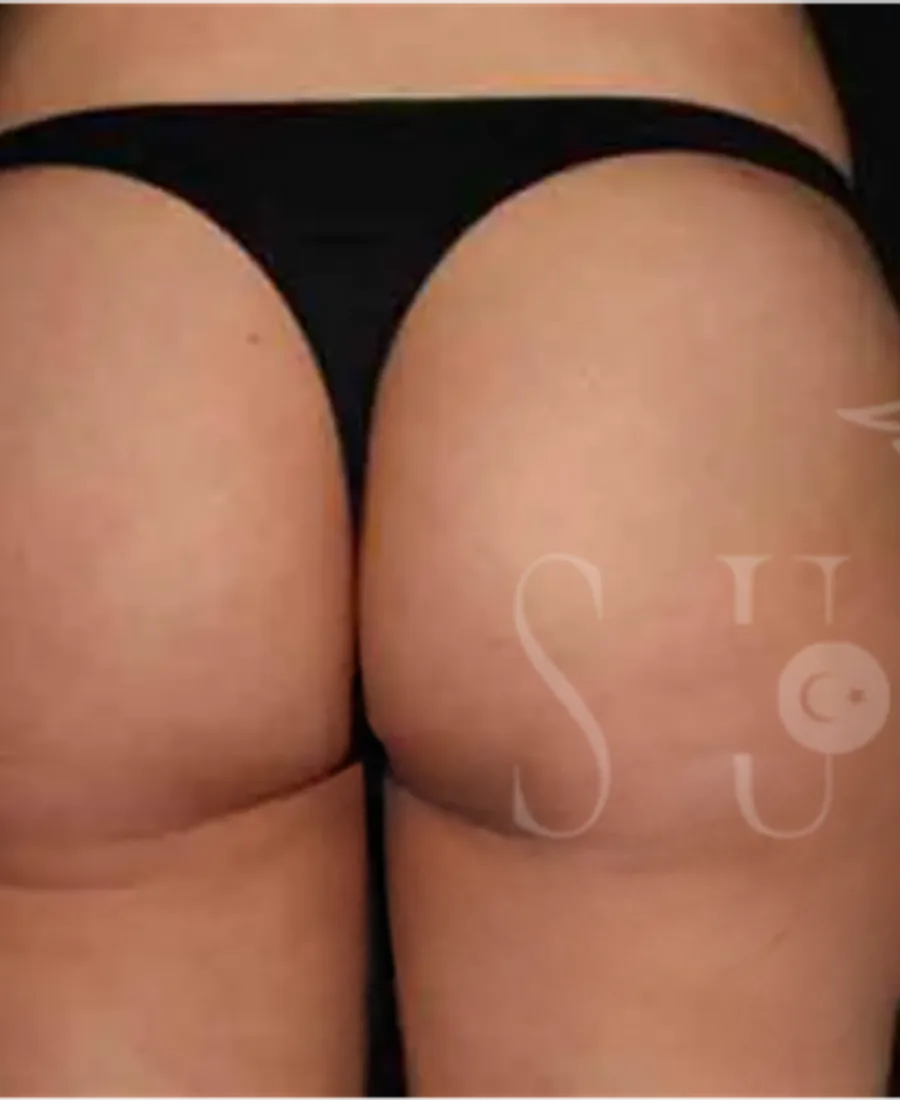 Before
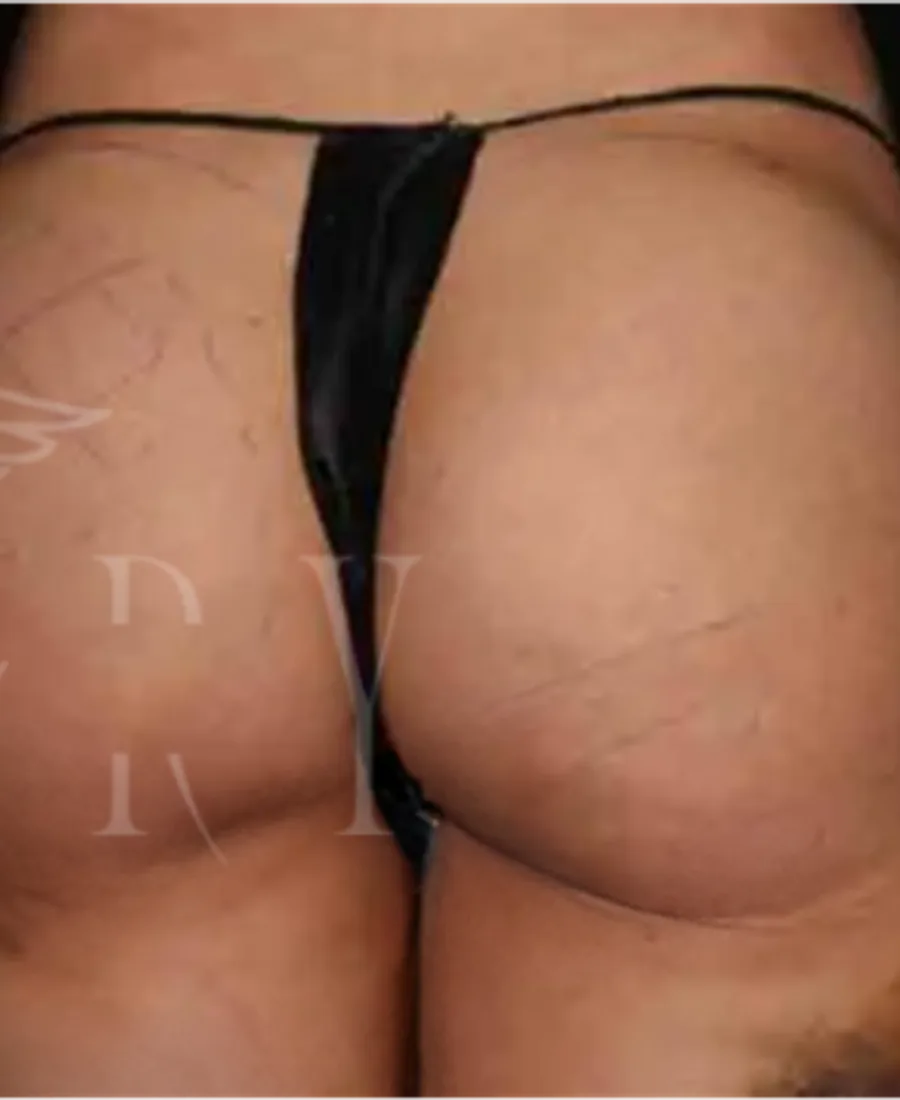 After
After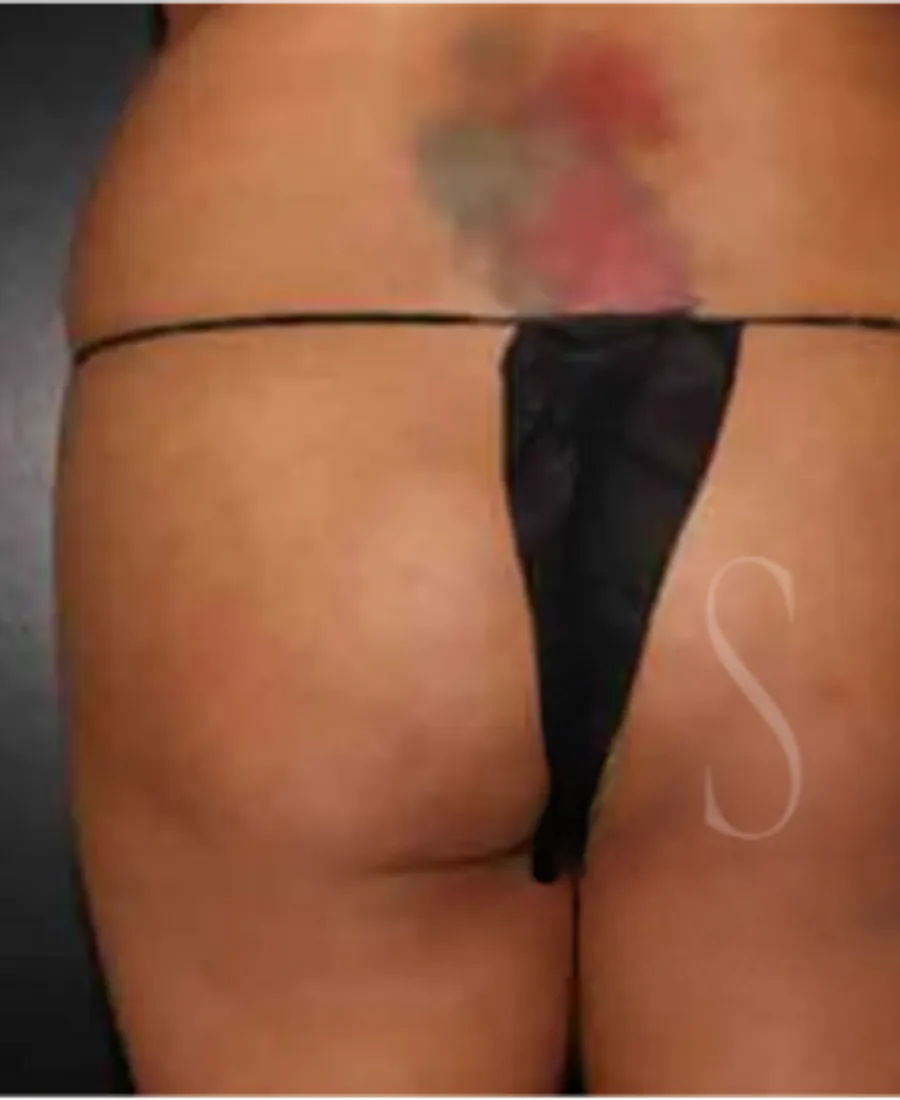 Before
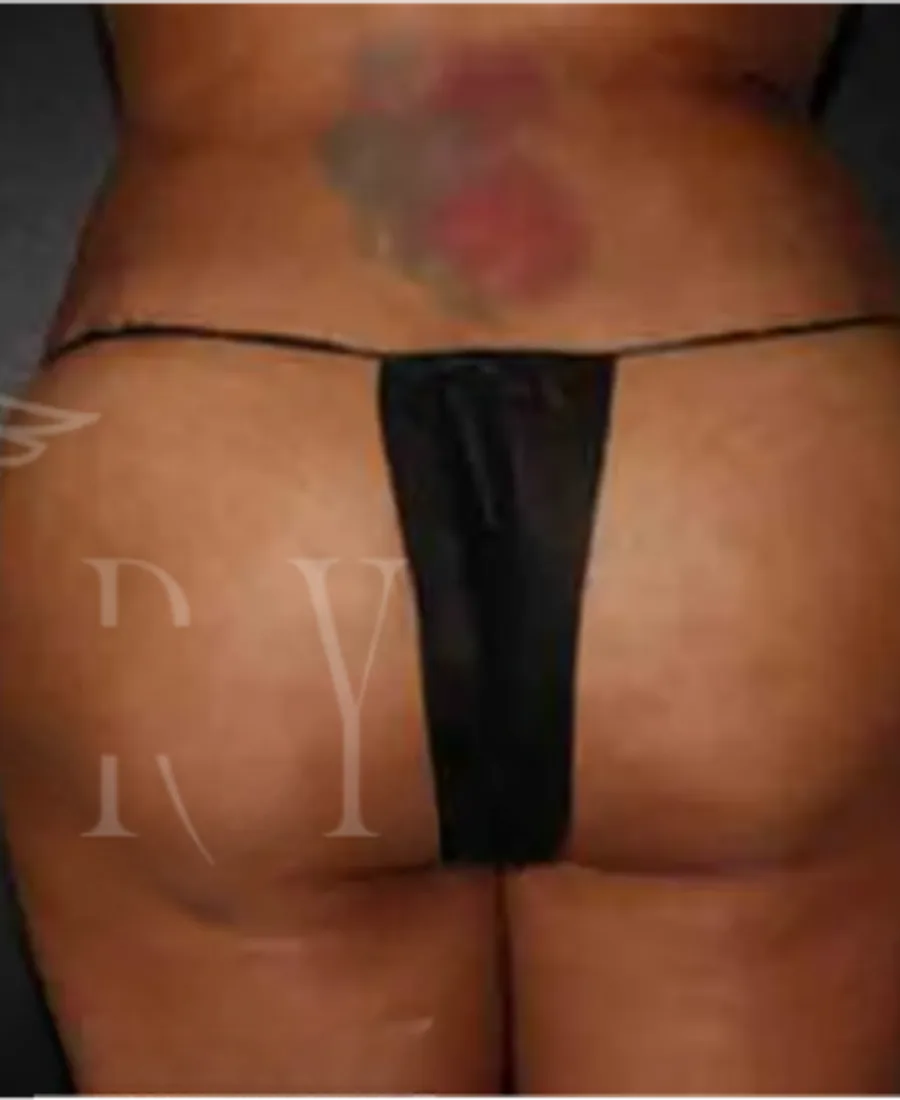 After
After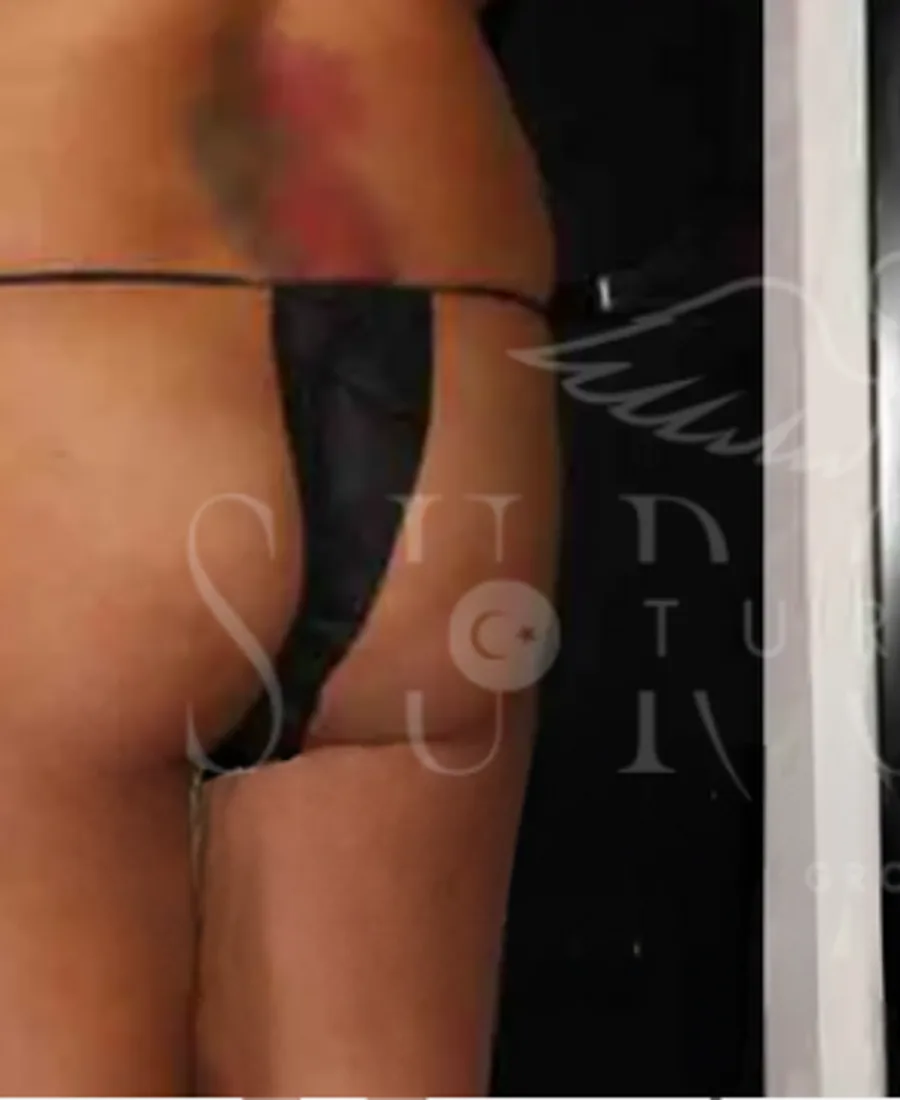 Before
 After
After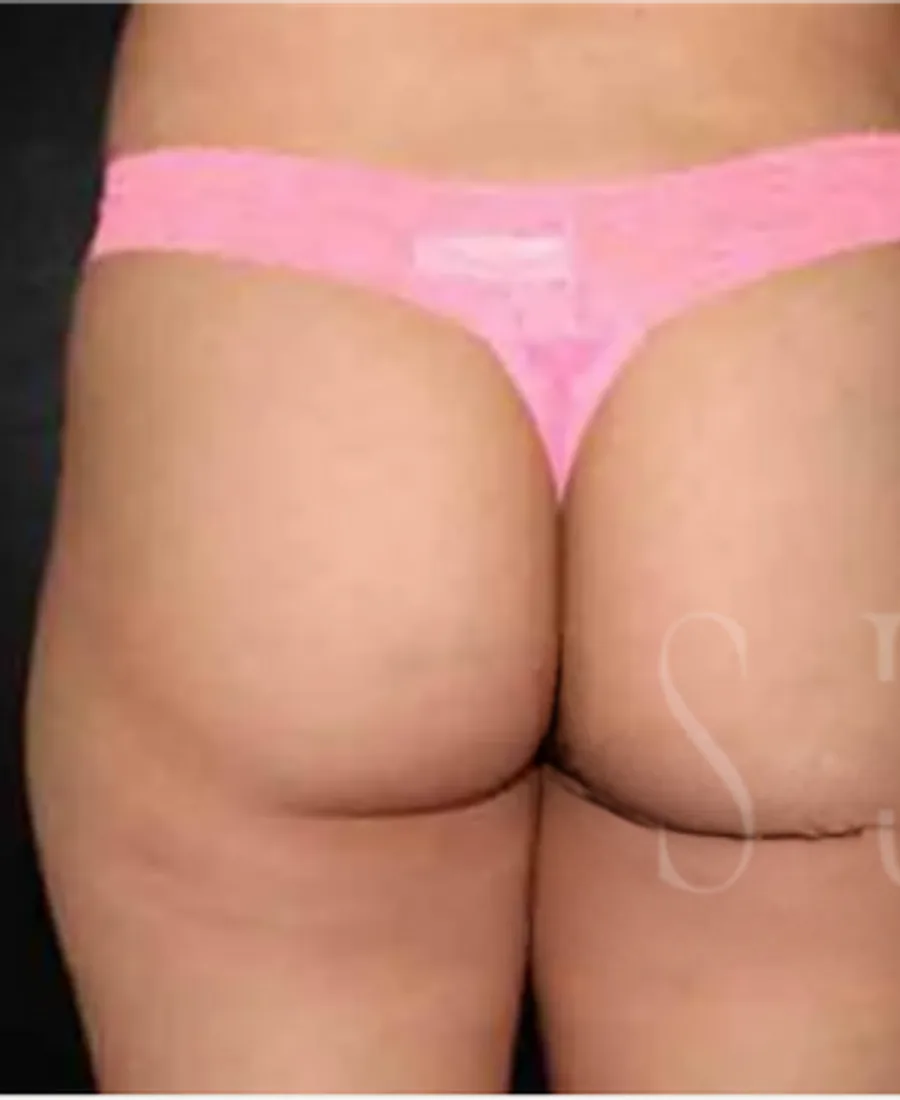 Before
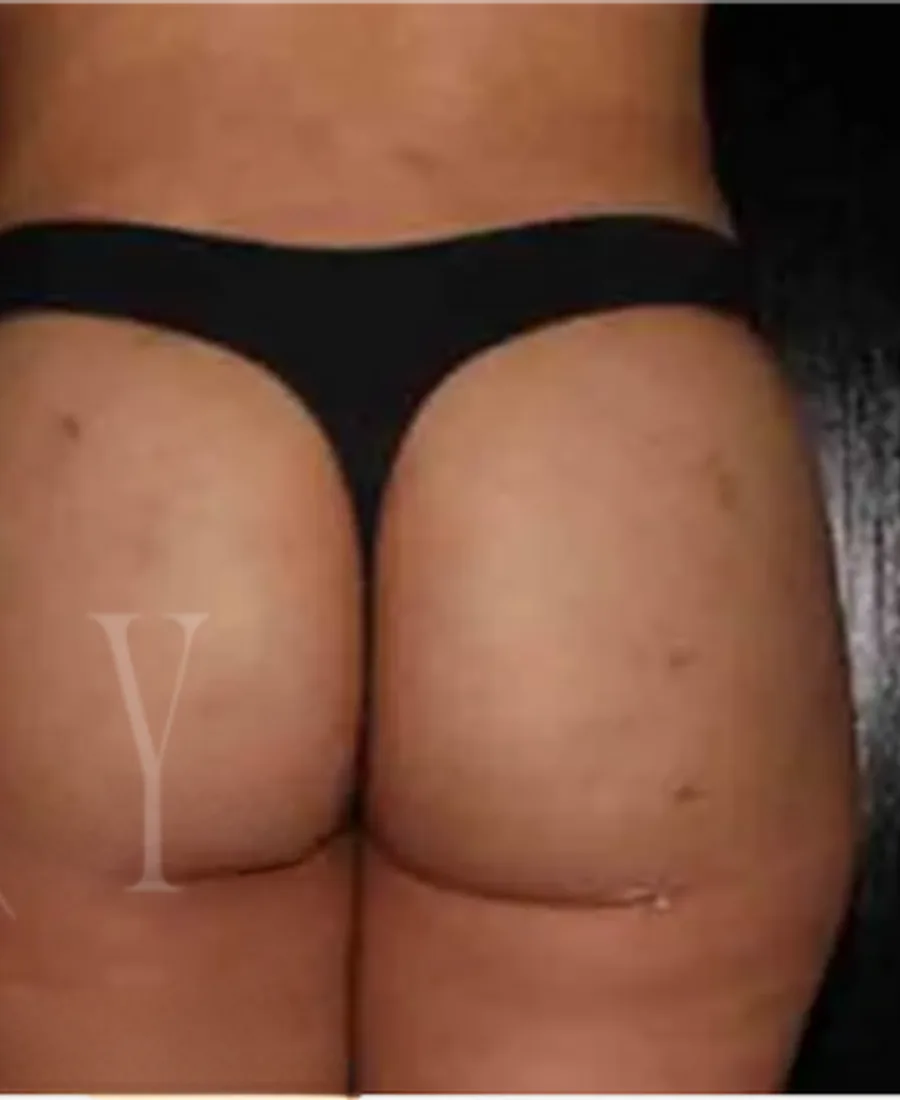 After
After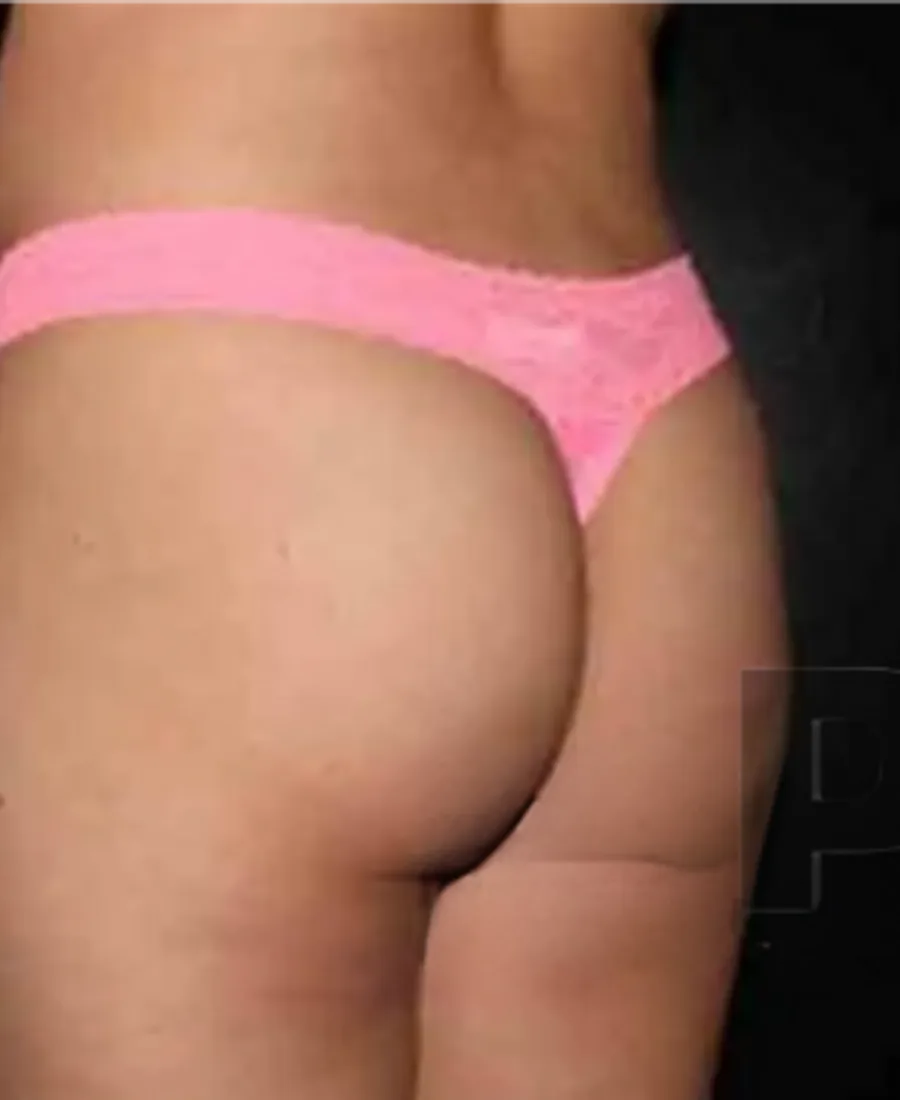 Before
 After
AfterLet us be open
Risks and points to consider
Every medical procedure carries risks. The points below are the main known issues for this procedure; a risk assessment specific to you is made during the consultation.
- Fat embolism; a rare but life-threatening complication. Injection limited to the subcutaneous layer under ultrasound guidance is used to reduce this risk.
- Asymmetry from partial absorption of the transferred fat or different survival rates on the two sides; a second session may be needed.
- Fat necrosis and firm nodules or oil cysts in the buttocks; they usually shrink, but sometimes need to be drained.
- Infection, seroma, and contour irregularity in the liposuction areas.
- Deep vein thrombosis; because the period of limited movement is long, early walking and compression stockings are important.