
About the procedure
Liposuction removes localized fat deposits that do not respond to diet and exercise, using fine cannulas. With VASER technology the fat is first emulsified with ultrasound waves; this means less trauma, less bruising and better skin retraction.
The abdomen, waist, back, arms, inner and outer thighs and the area under the chin are the most commonly treated areas. Multiple areas are treated in a single session, within the safe limit for the amount of fat removed.
Planning is done standing at the examination; fat deposits, skin elasticity, and the underlying muscle wall are assessed separately. The total volume of fat to be removed is kept within a safe limit set by body weight; rather than exceeding this limit, a second session is planned. The date is not confirmed until preoperative blood tests and, if needed, an anesthesia consultation are complete.
- ✓Multiple areas in a single session
- ✓Skin retraction with ultrasound
- ✓Lymphatic drainage massage included in the plan
Suitability
Who is it suitable for?
May be suitable
- ✓People with a body mass index (BMI) generally under 30 whose weight has not changed significantly in the past 6 months.
- ✓Those with persistent fat deposits in the abdomen, waist, back, outer hips, or legs despite diet and exercise.
- ✓People with good skin elasticity who can wait for the skin to retract after the procedure.
- ✓Non-smokers, or those able to quit at least 4 weeks before surgery.
Should be postponed or is not suitable
- —Those with significant skin laxity; liposuction alone can increase looseness in this case, and a lift is needed.
- —Those with uncontrolled diabetes, cardiovascular disease, or a bleeding disorder.
- —Those who are pregnant, breastfeeding, or actively losing weight.
- —Those expecting the procedure to produce weight loss; liposuction is not a treatment for obesity.
The final decision on suitability is made after a physician examination and tests.
Process
How does it proceed, step by step?
- 01
Initial consultation
Areas are identified from photographs and measurements; how expectations match skin quality is discussed.
- 02
Preparation
Blood tests are done; blood thinners and supplements are stopped 1–2 weeks beforehand with the physician's approval.
- 03
Marking and anesthesia
Markings are drawn while standing on the morning of surgery; tumescent fluid is infused into the area under general anesthesia.
- 04
Fat removal
Fat is loosened with an ultrasound probe, removed through 3–4 mm entry points with fine cannulas, and symmetry is checked.
- 05
Garment and discharge
A compression garment is fitted as soon as surgery ends; you walk out of the hospital the next day.
- 06
Check-up and return
At the check-up in Istanbul, entry points are assessed and lymphatic drainage massage begins; clearance to fly is given.
Recovery
Recovery timeline
Day 1
Pink-tinged fluid leaking from the entry points is normal; pads are worn over the garment. Short walks reduce the risk of clots.
Days 3–5
Bruising and swelling are at their most noticeable and are controlled with pain relievers. Lymphatic drainage massage begins during these days.
Week 1
You can return to desk work; the garment is worn all day. Clearance to fly is usually given on days 6–7.
Month 1
Bruising has largely resolved; firmness and numbness under the skin may persist. Brisk walking is allowed.
Month 3
Most of the swelling subsides and the contour becomes defined; heavy exercise and weight training begin gradually.
Month 6 – Year 1
Final skin retraction and softening of firm areas are complete; the final result is judged at this stage.
Timeframes are averages; they vary by person and by the scope of the procedure.
Results
Before / After
Published with patient consent. Results vary from person to person.
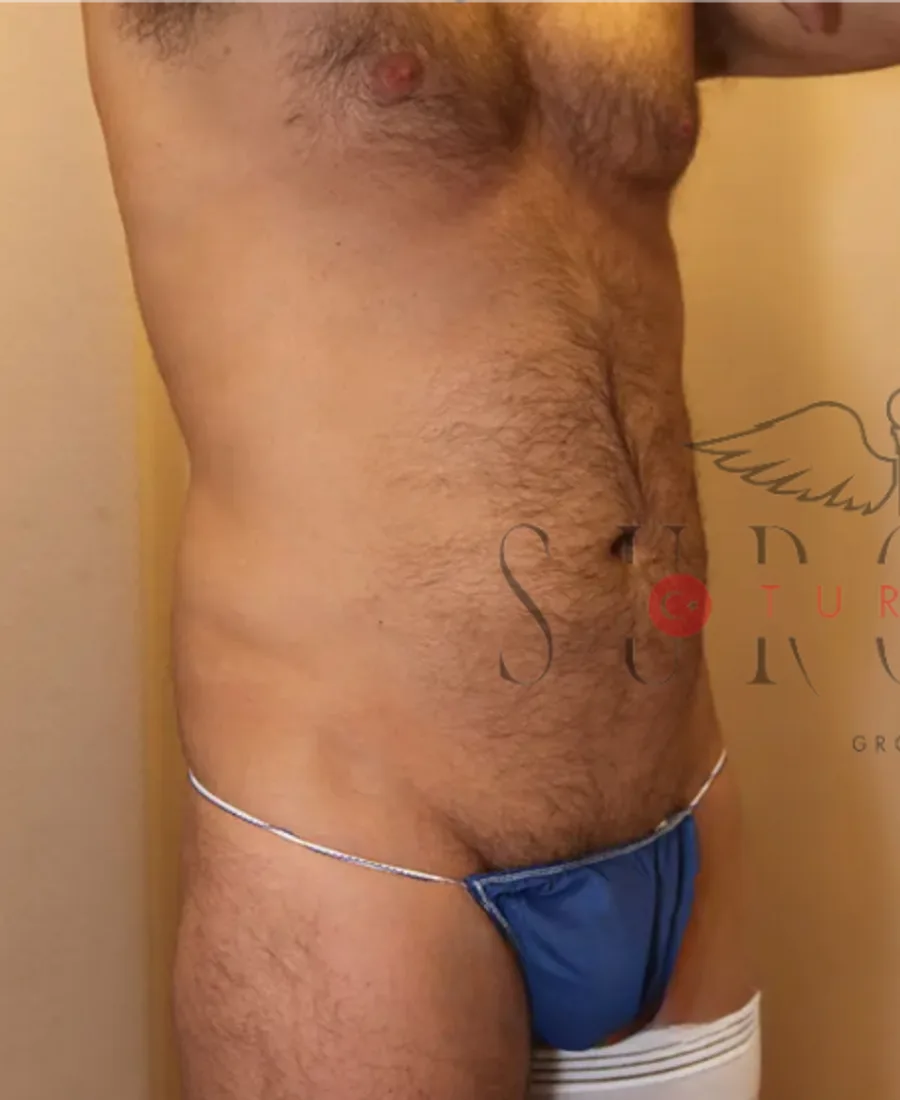 Before
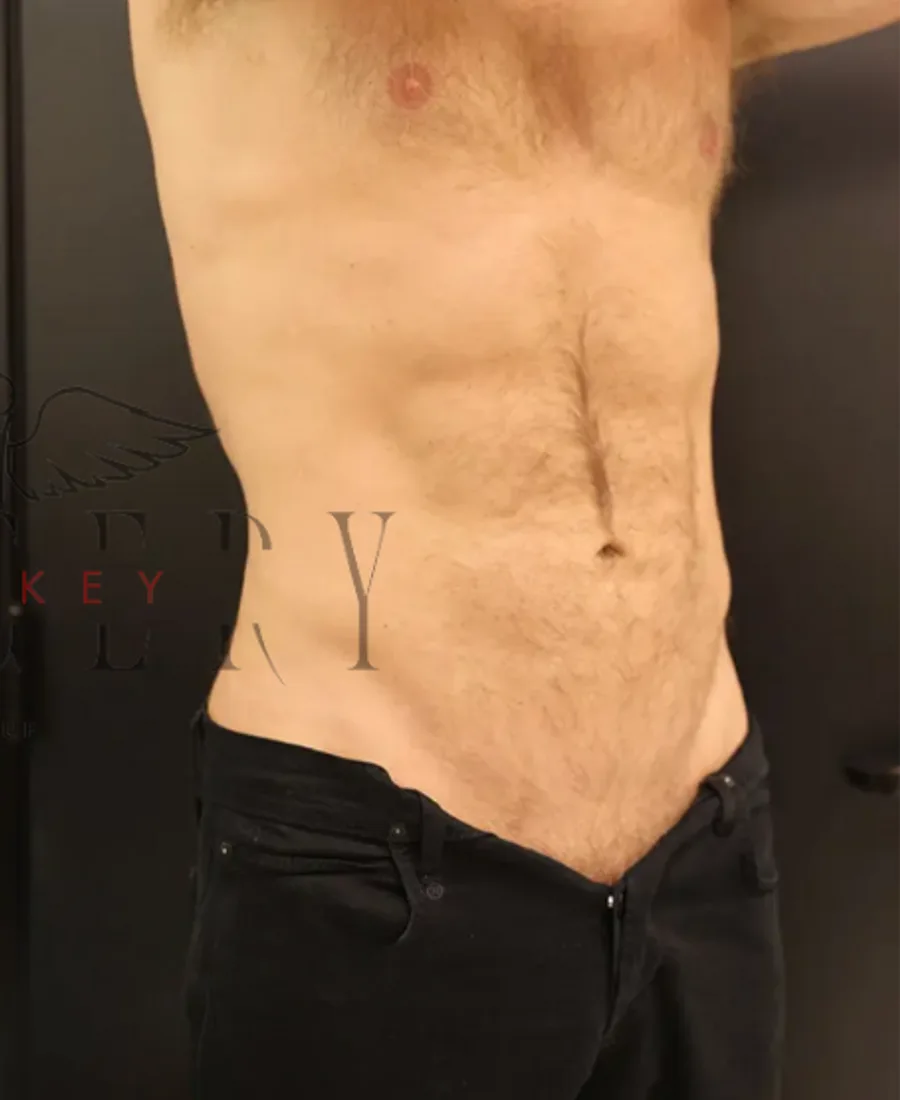 After
After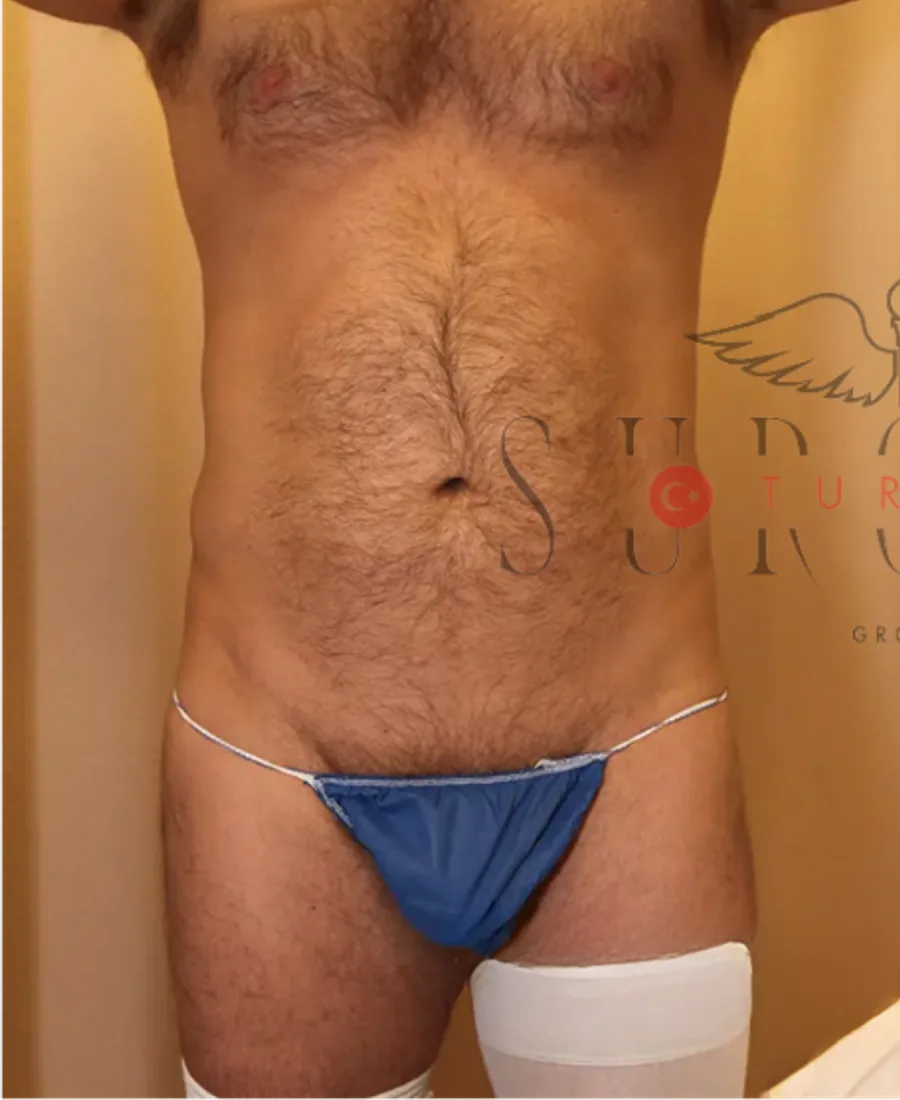 Before
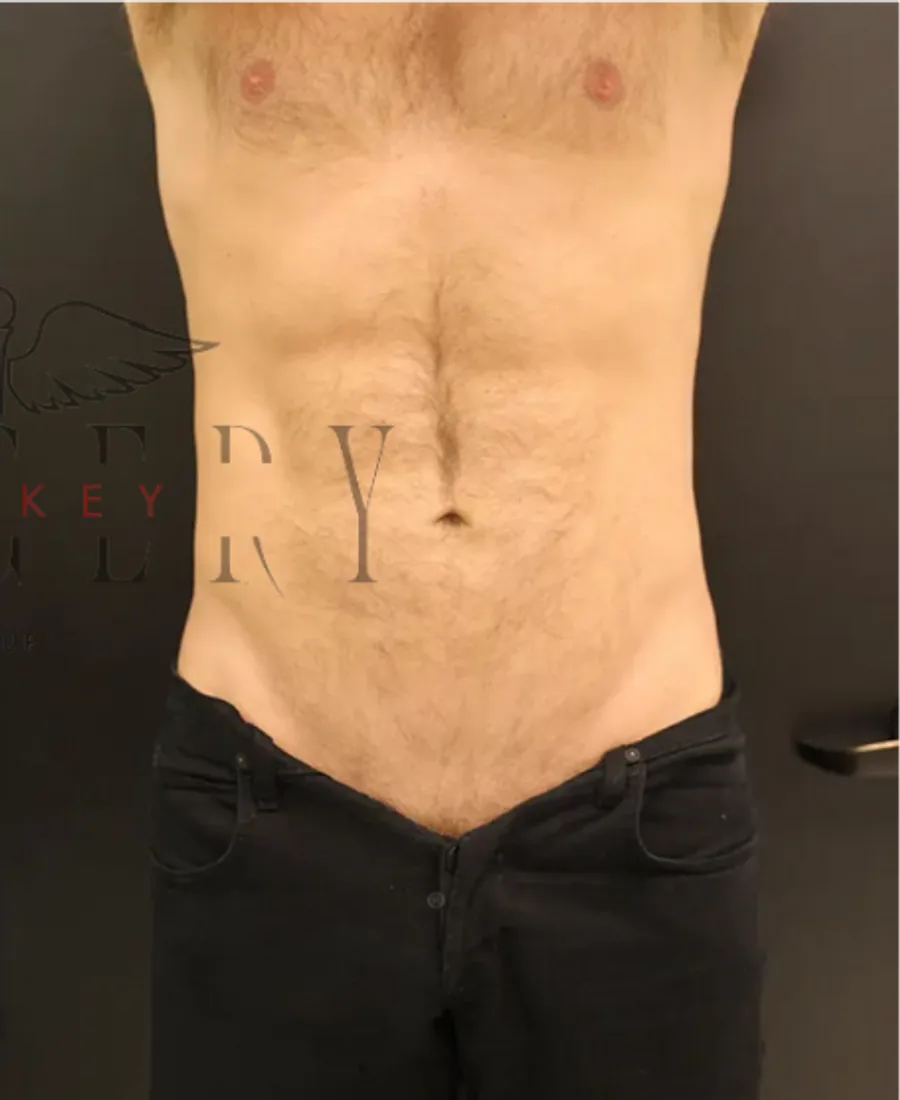 After
After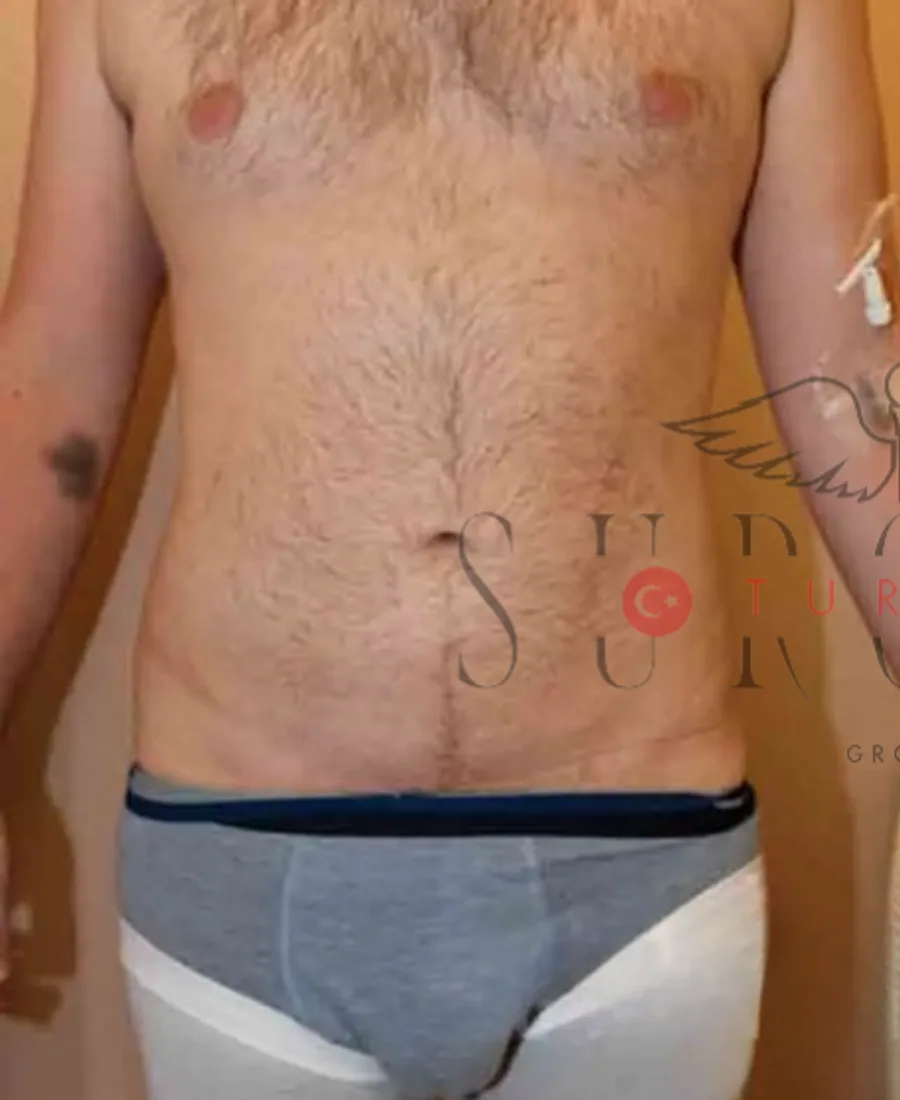 Before
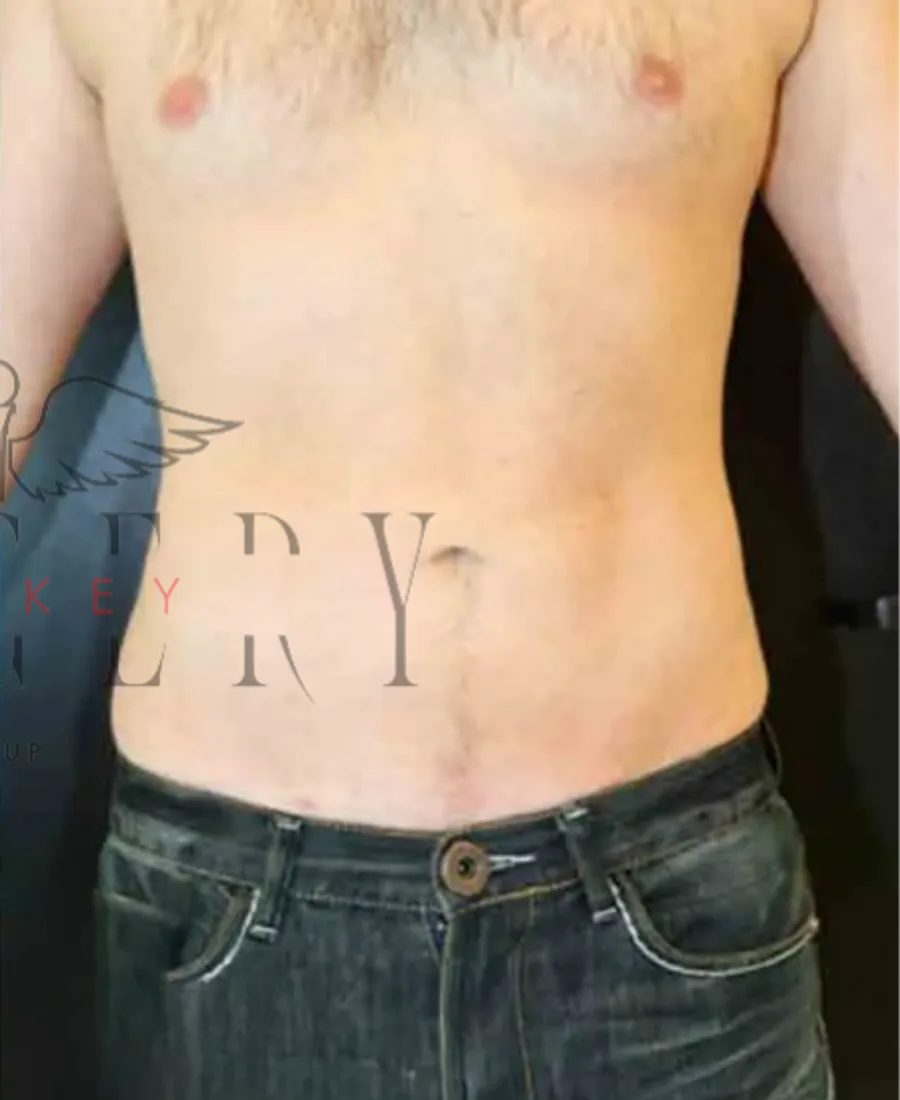 After
After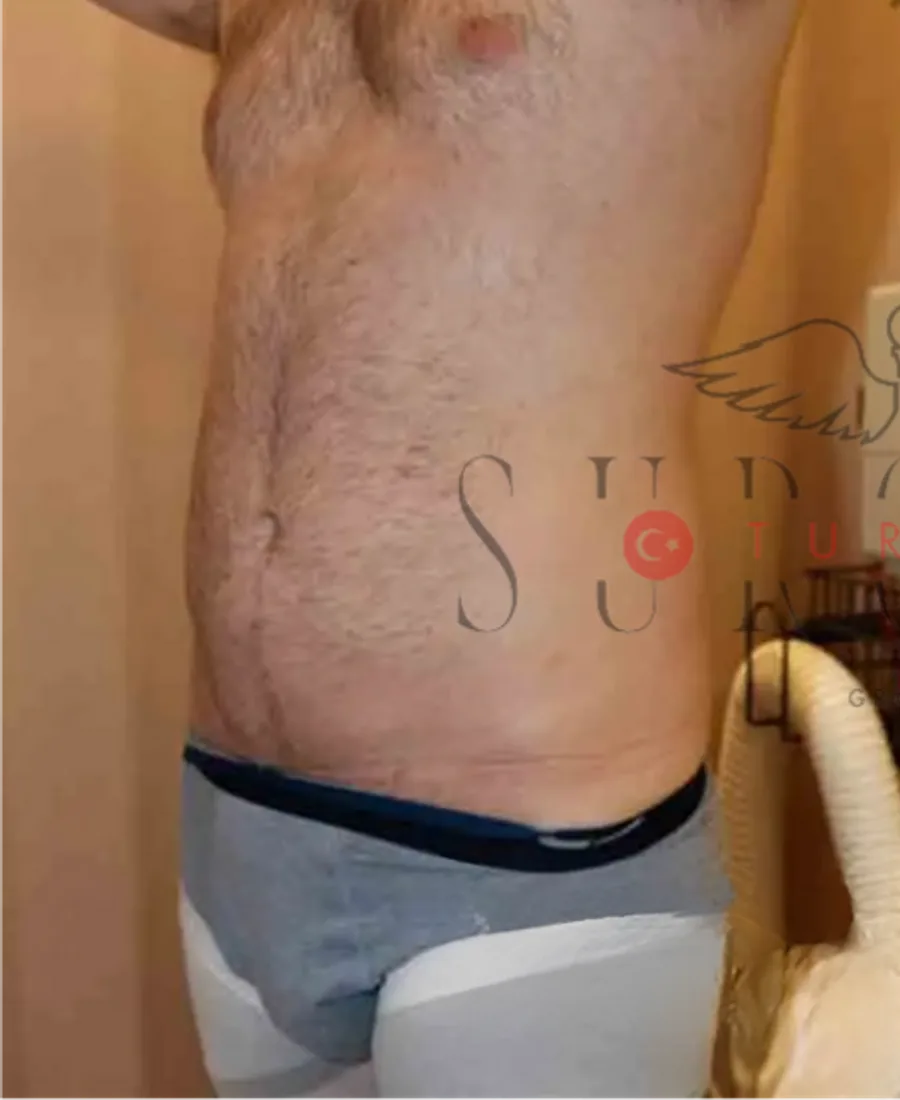 Before
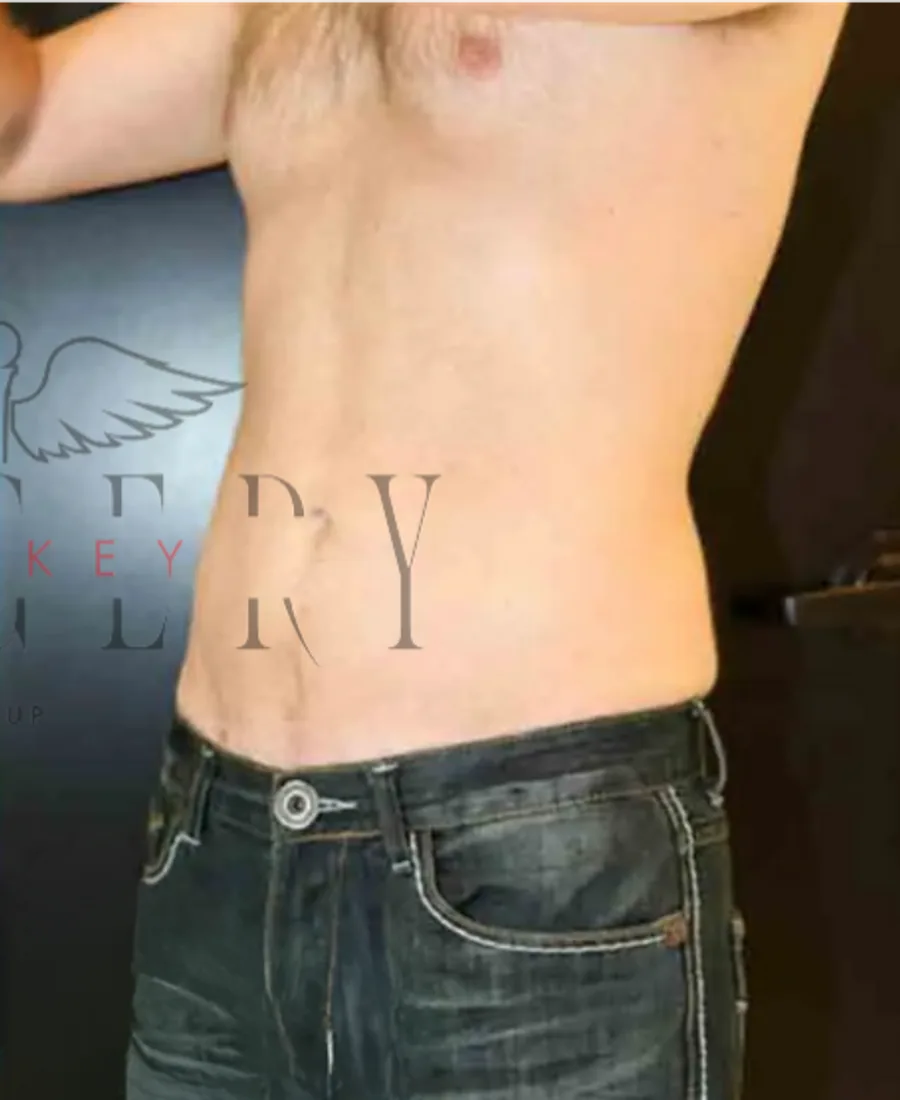 After
AfterLet us be open
Risks and points to consider
Every medical procedure carries risks. The points below are the main known issues for this procedure; a risk assessment specific to you is made during the consultation.
- Contour irregularity and rippling; these can occur particularly in patients with thin skin and sometimes require a correction (revision).
- Seroma (fluid collecting under the skin); it decreases with the garment and massage, and is sometimes drained with a needle.
- Prolonged firmness, numbness, or altered sensation under the skin; in most patients this recedes within months.
- Deep vein thrombosis and pulmonary embolism; precautions include early walking, compression stockings, and blood thinner injections if needed.
- Heat burns specific to the ultrasound technique and infection are rare; scars may remain at the entry points.