
About the procedure
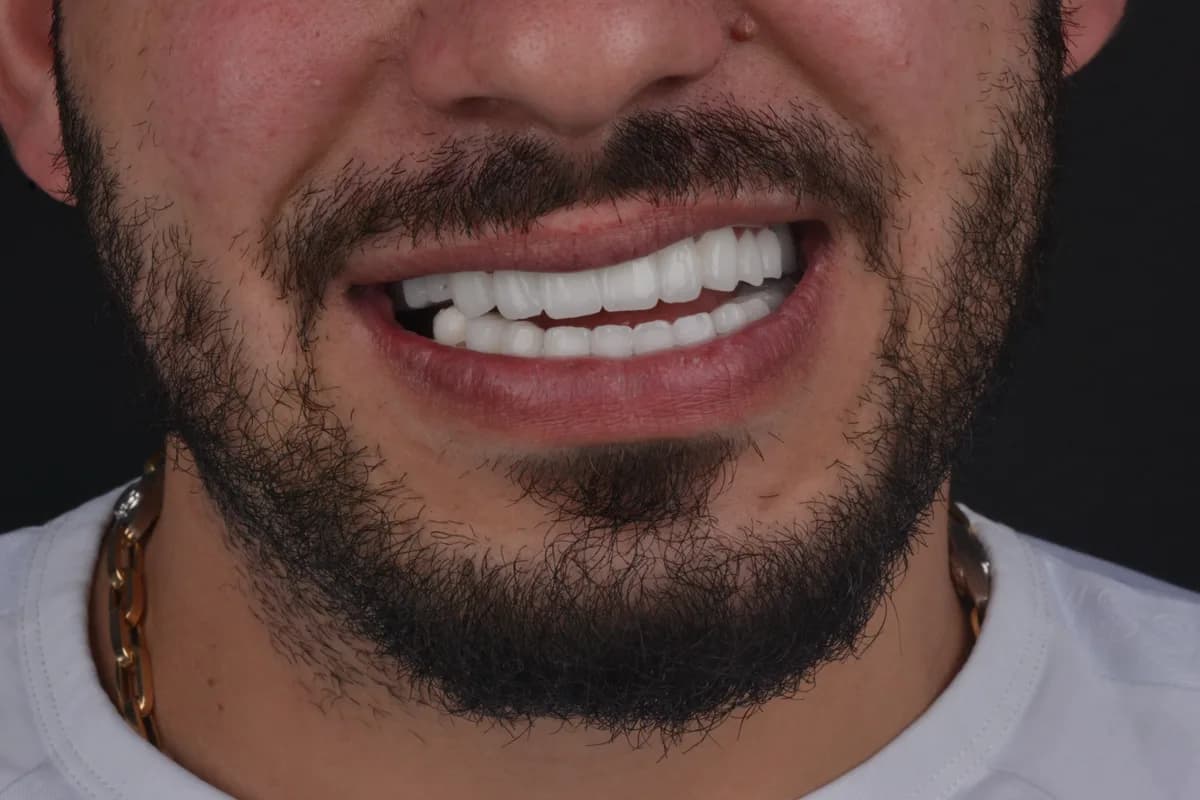
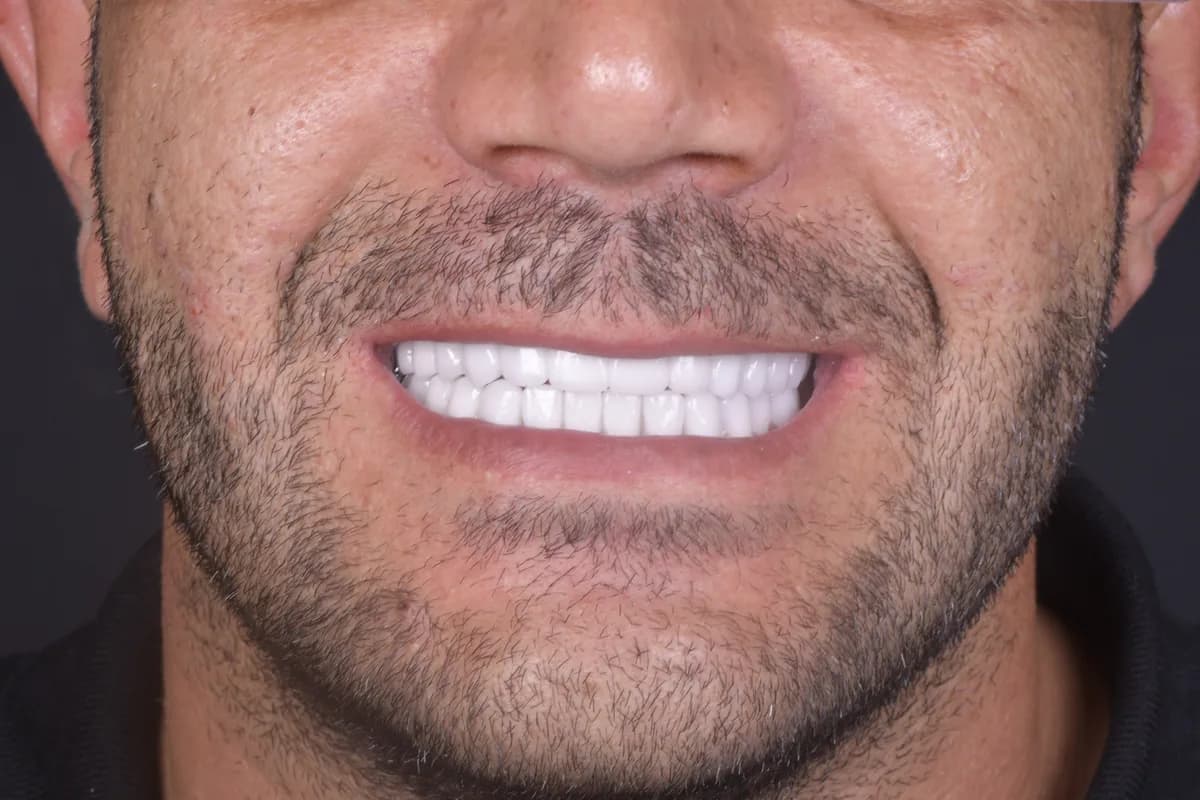
Zirconia crowns are both an aesthetic and a durable solution for teeth with discoloration, fractures, gaps or shape irregularities. Because there is no metal substructure, no gray line forms at the gum margin, and the crowns transmit light much like natural teeth.
Treatment begins with digital smile design; the teeth are prepared, temporary crowns are fitted and the permanent crowns are delivered within 4–5 days.
The decision to place crowns is made only after evaluating gum and root health; any active gum inflammation or untreated decay is addressed first. Crown margins are planned according to the gum level, and the shade is chosen in daylight together with the neighboring teeth and facial tone. For patients with a history of teeth clenching, the plan also includes a night guard to protect the crowns.
- ✓Metal-free, no gray line
- ✓Preview with digital design
- ✓Completed in a single visit
Suitability
Who is it suitable for?
May be suitable
- ✓Those with teeth that have had root canal treatment, large fillings, or fractures and cannot be strengthened with a filling alone.
- ✓Those with severely stained teeth whose discoloration does not improve with whitening.
- ✓Patients whose shape, length, and spacing problems are too pronounced to be solved with veneers.
- ✓Those who want to replace old metal-supported crowns because of the gray line at the gum margin.
- ✓Patients with healthy gums who can maintain regular oral hygiene.
Should be postponed or is not suitable
- —Untreated gum disease (periodontitis) and active decay; crowns are not placed until these are resolved.
- —Young patients whose jaw development is not complete.
- —Uncontrolled clenching and grinding (bruxism); a protective guard and follow-up are needed first.
- —Cases where not enough tooth structure remains for a crown and the tooth cannot be saved; an implant is considered for these teeth.
The final decision on suitability is made after a physician examination and tests.
Process
How does it proceed, step by step?
- 01
Initial assessment
Gums, roots, and existing fillings are evaluated with a panoramic X-ray and intraoral photographs; which teeth will be crowned is clarified.
- 02
Design and shade
Tooth form and length are determined with a digital design; the shade is chosen together with the neighboring teeth and facial tone.
- 03
Tooth preparation
Under local anesthesia, the teeth are reduced by the thickness of the crown, a digital impression is taken, and temporary crowns are fitted in the same session.
- 04
Try-in
The crowns from the laboratory are tried in the mouth; bite, margin fit, and shade are checked, and they are sent back for adjustment if needed.
- 05
Cementation and check
The crowns are permanently cemented and the bite is adjusted one last time; a check is done the next day and care instructions are given.
- 06
Return and follow-up
After you return home, you are followed up through photographs and messages; at least one dental check-up within the first year is recommended.
Recovery
Recovery timeline
Day 1
Once the anesthesia wears off, mild gum tenderness and soreness are possible; soft foods are preferred.
Days 3–5
Temporary crown period: sensitivity to hot and cold may occur, and hard and sticky foods are avoided.
Week 1
The permanent crowns are fitted; the bite may feel different for the first few days, and you adjust within a few days.
Month 1
The gums adapt to the crown margins; sensitivity subsides in most patients during this period.
Month 6
A dental check-up and scaling are recommended; the bite and gum margins are evaluated.
Year 1
Annual check-up; for those using a night guard, its wear and fit are checked.
Timeframes are averages; they vary by person and by the scope of the procedure.
Results
Before / After
Published with patient consent. Results vary from person to person.
 Before
 After
After Before
 After
After Before
 After
After Before
 After
After Before
 After
After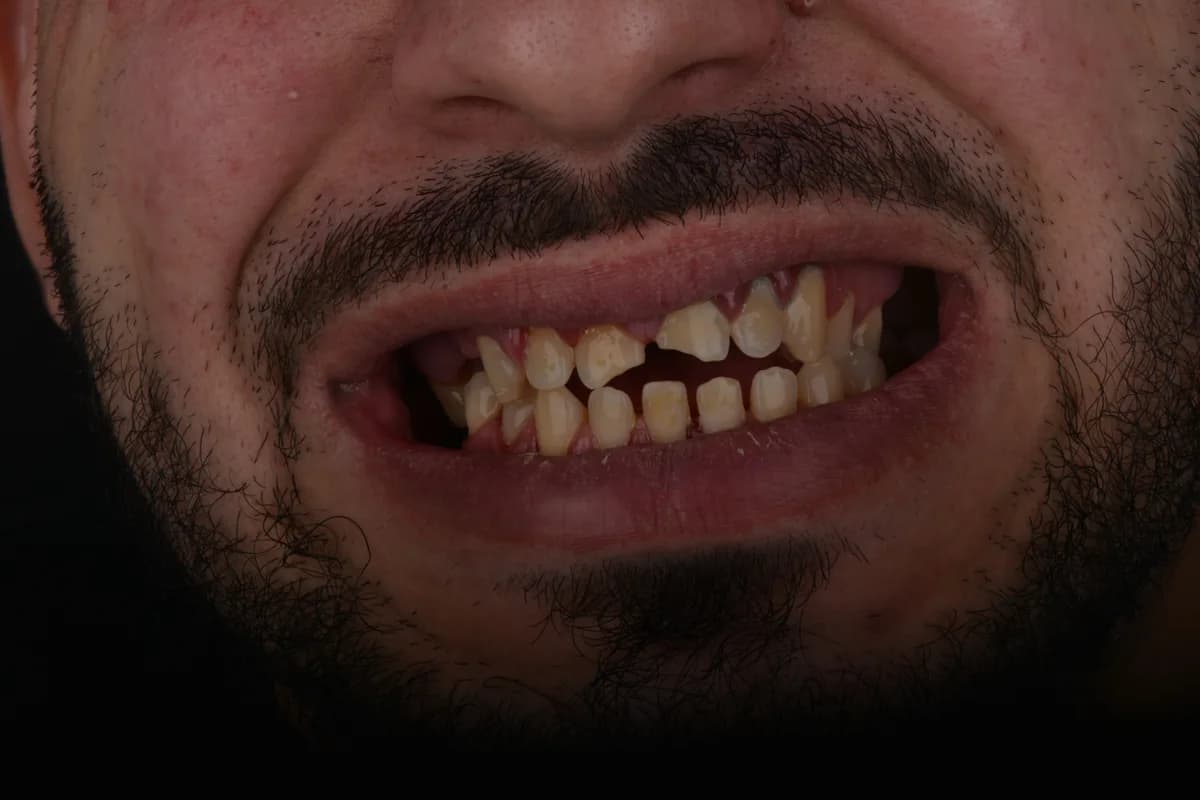 Before
 After
After Before
 After
AfterLet us be open
Risks and points to consider
Every medical procedure carries risks. The points below are the main known issues for this procedure; a risk assessment specific to you is made during the consultation.
- Cold sensitivity after crowning; it usually decreases within weeks, and rarely the tooth may need root canal treatment.
- If the gum recedes over time, the crown margin may become visible.
- Chipping of the porcelain layer from biting hard objects or clenching; repair or replacement may be needed.
- Secondary decay at the crown margin; it occurs when cleaning of the margin is neglected and is caught early with regular check-ups.
- Shade and form may not fully match expectations; adjustments are possible at the try-in stage, but changes after cementation are limited.